NFW 2026: System Failures Inevitable, Resilience Defines Mature Digital Ecosystems - Parthian CTO
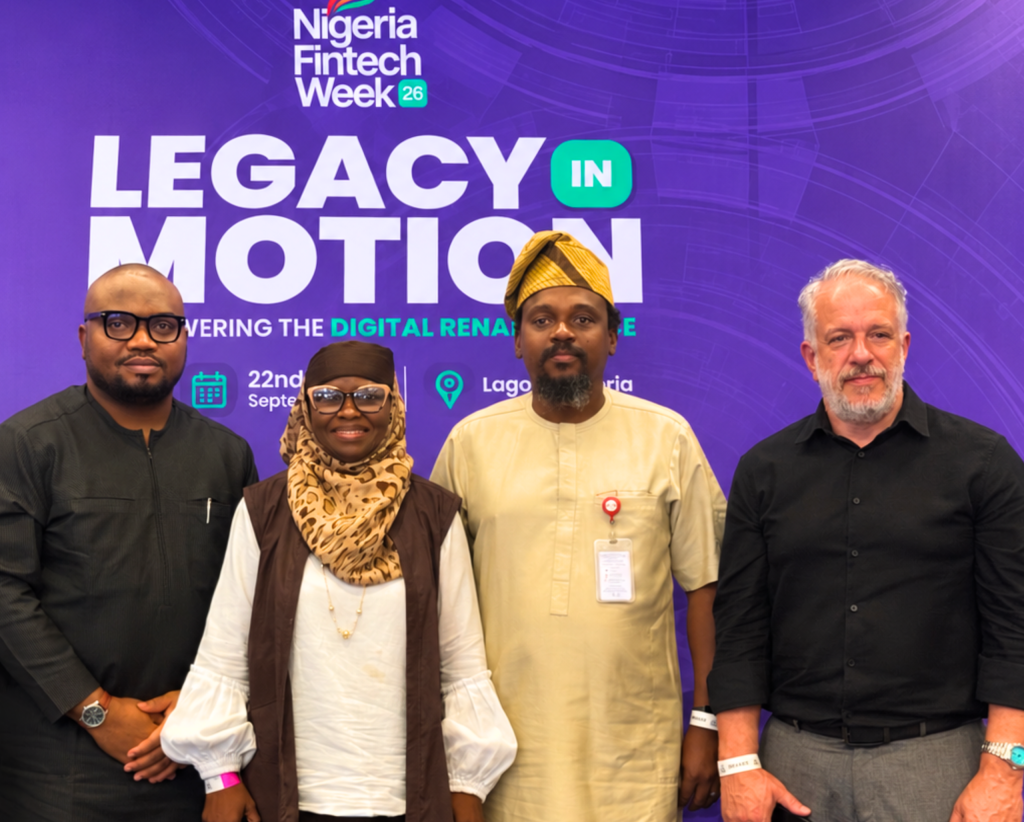
L-R: Mr Arthur Augustus, Group Chief Technology Officer, Parthian Financial Services Group and i-invest; Mrs Hauwa B. Wakili, Deputy Director/Head, Digital Skills and Services, Digital Economy, NCC; Mr Oluwaseun Oluboyo, Chief Technology Architect, IPNX; and Mr Fernando Fernandes, CEO, Telcables, during the panel session on “When Systems Fail: Connectivity and Service Continuity” at Nigeria Fintech Week 2026 in Lagos.
LAGOS, NIGERIA – September 23, 2026: The Group Chief Technology Officer of Parthian Financial Services, Arthur Augustus, has called for stronger infrastructure, greater transparency and deeper collaboration across Nigeria’s technology and telecommunications ecosystem as the country’s fintech industry continues to scale.
Augustus made the call while speaking at Nigeria Fintech Week 2026 in Lagos, where he moderated a panel session titled “When Systems Fail: Connectivity and Service Continuity.” The discussion brought together technology, telecommunications and digital economy stakeholders to examine the resilience of the infrastructure supporting Nigeria’s rapidly expanding digital financial ecosystem.
“Every system fails eventually. What separates a mature ecosystem from a fragile one is how quickly and honestly it recovers,” Augustus said during the session.
The conversation came against the backdrop of recent service disruptions experienced by some digital investment platforms following the opening of the Dangote Petroleum Refinery & Petrochemicals FZE Initial Public Offering (IPO) on September 14, 2026. The IPO generated significant retail investor interest, with Reuters reporting that the resulting surge in traffic overwhelmed several Nigerian digital investment platforms and exposed capacity and resilience challenges across parts of the fintech infrastructure ecosystem.
The incident has renewed attention on the ability of digital financial platforms and their underlying infrastructure to absorb sudden and exceptional increases in demand while maintaining service availability and protecting the customer experience.
According to Augustus, however, the conversation around system failures should extend beyond individual platforms to the broader ecosystem of interconnected technology, telecommunications and infrastructure providers.
“System resilience is not simply about building a system that never goes down. It is about designing for failure, anticipating stress, knowing where dependencies exist and having the ability to restore services quickly when something does go wrong,” he said.
He noted that as digital financial services become increasingly embedded in the everyday lives of Nigerians, the consequences of technology disruptions extend beyond inconvenience, making reliability and continuity increasingly important considerations for fintech companies and their infrastructure partners.
The panel also examined the role of connectivity providers in supporting the growth of Nigeria’s digital economy. Participants discussed the interdependence between fintech companies, telecommunications operators, technology infrastructure providers and policymakers, particularly as transaction volumes and consumer expectations continue to increase.
Mrs Hauwa B. Wakili, Deputy Director and Head, Digital Skills and Services, Digital Economy at the Nigerian Communications Commission (NCC), emphasised the importance of looking beyond individual organisations when addressing technology failures.
“It’s not just about looking for who to blame for failures. Think ecosystem-wide. Collaboration and partnerships are needed between the telecommunications players and the tech community, supported by the system,” Wakili said.
Her comments reinforced the need for greater coordination between stakeholders whose infrastructure and services collectively underpin Nigeria’s digital economy.
The panel featured Augustus alongside Wakili; Mr Oluwaseun Oluboyo, Chief Technology Architect, IPNX; Mr Yinka Daramola, CEO, Qucoon; and Mr Fernando Fernandes, CEO, Telcables. Together, the panel examined the technical and institutional factors that influence service continuity, including connectivity, infrastructure dependencies, system resilience and the need for coordinated responses when disruptions occur.
For Augustus, building resilient digital infrastructure requires moving the conversation from preventing every possible failure to creating systems and organisations capable of detecting, containing and recovering from failures effectively.
“Resilience is not demonstrated when everything is working. It is demonstrated when something breaks and the ecosystem knows what to do next,” he added.
Nigeria Fintech Week 2026, organised by the Fintech Association of Nigeria (FintechNGR) from September 22–23 under the theme “Legacy in Motion: Powering the Digital Renaissance,” brought together leading players across fintech, financial services, technology and telecommunications to examine Nigeria’s digital future.
For Parthian Financial Services, operator of i-invest, a digital platform that continues to connect Nigerians to a range of investment opportunities, the conversation reinforced its commitment to delivering financial services that are technology-driven, resilient and dependable. As digital channels become increasingly central to financial services, Parthian continues to champion the infrastructure, innovation and ecosystem collaboration required to build trust and scale digital investing in Nigeria.